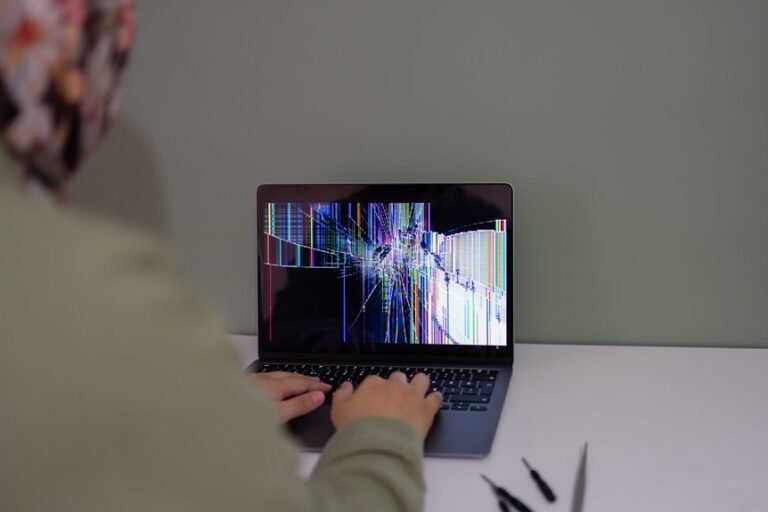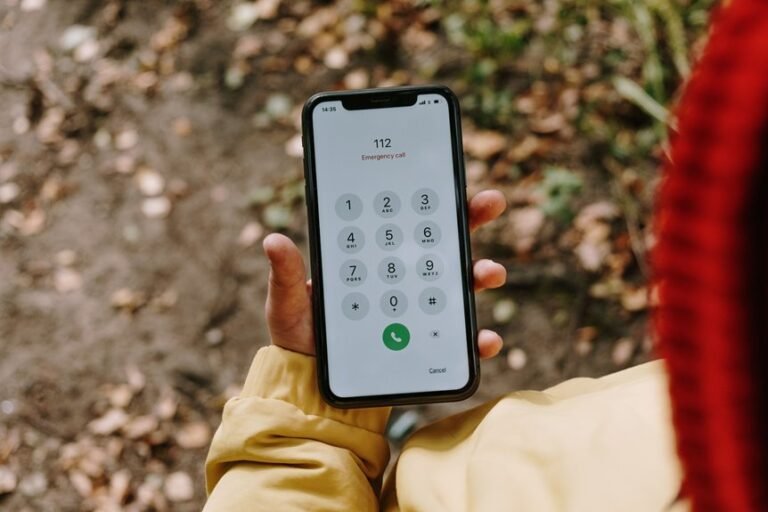
Effective troubleshooting around 501-355-5406 follows a disciplined, stepwise approach. Start with quick diagnostics to confirm status and core connections, then isolate variables to avoid cross-contamination. Map symptoms to likely causes and pair fixes with observed indicators, documenting results with timestamps and clear ownership. Escalate only when reproducible issues persist or impact warrants higher-level support, using formal handoffs and a concise summary to guide next steps. The disciplined process invites follow-up as patterns emerge.
What You Need to Know About 501-355-5406 Troubleshooting
A thorough approach to troubleshooting 501-355-5406 begins with establishing the context of the issue, identifying symptom patterns, and verifying basic operational conditions. The process remains focused, avoiding unrelated topic detours and unnecessary details. Detachment ensures clarity: potential causes are prioritized, steps are documented, and verification confirms resolution.
Freedom-aware readers value concise, precise guidance over conjecture or irrelevant information.
Quick Diagnostic Checks to Run First
Quick diagnostic checks should be performed at the outset to identify baseline issues and prevent unnecessary escalation.
The approach emphasizes quick diagnostic, methodical confirmation of status, and immediate first steps.
A neutral, detached tone guides readers through concise actions: verify core connections, note anomalies, isolate variables, document results, and establish a reproducible baseline.
This framework supports troubleshooting basics without speculation or fluff.
Common Symptoms, Likely Causes, and Targeted Fixes
Common symptoms commonly indicate specific failure modes, guiding the next steps with targeted fixes. The discussion remains detached and factual, listing likely causes aligned with observed indicators.
For each symptom, concise fixes prioritize minimal disruption and verifiable results. This section reinforces topic ideas and troubleshooting basics, enabling systematic verification, elimination of root causes, and clear progress tracking without unnecessary conjecture or embellishment.
When to Escalate and How to Document the Process
When escalation is warranted, a structured trigger protocol guides the transition to higher-level support and formal review.
Escalation criteria are defined by reproducible symptoms, impact severity, and time-to-resolution thresholds.
Document steps promptly using documentation best practices: record findings, actions, timestamps, and owners, then circulate a concise summary.
This disciplined approach preserves accountability, supports traceability, and accelerates resolution.
Frequently Asked Questions
What Does 501-355-5406 Actually Connect to in Practice?
The number connects to a telecom gateway interfacing service endpoints, not a single line. In practice, data privacy and regional variance shape routing, access, and protections, ensuring compliance while enabling flexible, user-driven connectivity across jurisdictions and providers.
Are There Regional Differences Affecting 501-355-5406 Performance?
Regional latency varies by geography due to network routing and infrastructure. Regulatory constraints, voicemail impact, and privacy concerns shape performance differently across regions, with nuanced trade-offs, while maintaining a succinct, methodical approach for audiences seeking freedom.
How Often Should I Update Contact Information for the Line?
Update frequency should be quarterly; maintain contact hygiene by validating numbers and emails during each review. The line benefits from disciplined cadence, ensuring accessibility and reliability while preserving user autonomy and minimizing unnecessary updates.
Can a Failed Voicemail Affect 501-355-5406 Reachability?
A euphemistic note aside, a failed voicemail can indirectly hinder reachability by delaying message delivery, though it is not inherently a system fault; such an unrelated topic could become an irrelevant concern in routine diagnostics.
What Privacy Considerations Apply to Using This Number?
Privacy concerns arise with this number, as a caller’s data handling may expose personal details. The practice requires clear data governance, minimized data collection, secure storage, and transparent policy disclosures to balance accessibility with individual rights.
Conclusion
In summary, effective troubleshooting around 501-355-5406 follows a disciplined, stepwise protocol: confirm status with quick checks, isolate variables, map symptoms to likely causes, apply concise fixes, and document results with timestamps and owners. Escalate only when reproducible issues persist or impact warrants higher support, ensuring formal handoffs. As the saying goes, “A stitch in time saves nine.” This approach minimizes drift, maintains clarity, and supports timely, reliable resolution.