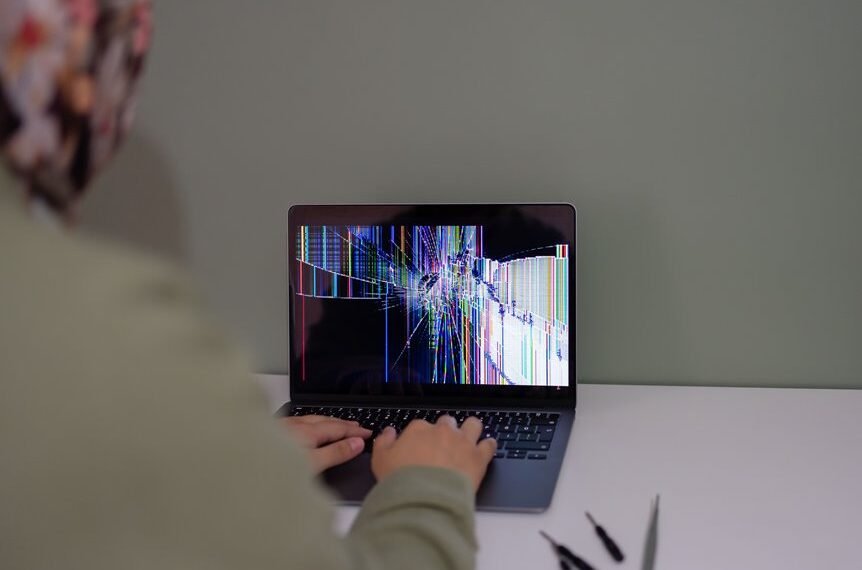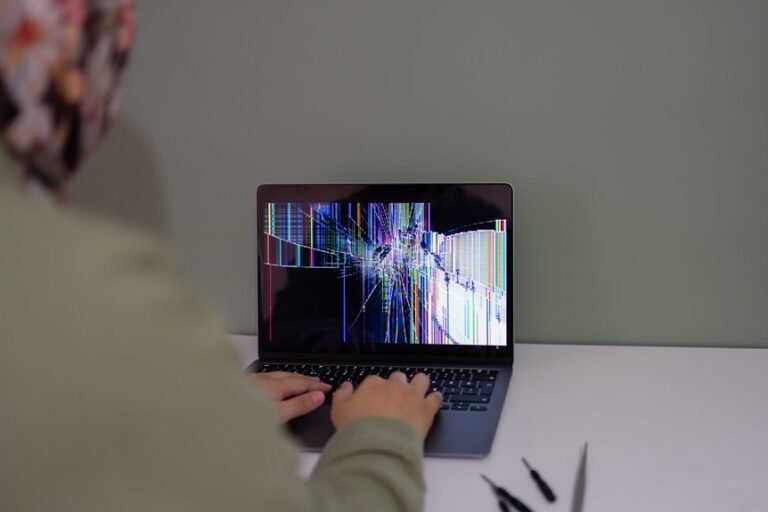
When problems start suddenly with 8435483200, the first step is a grounded hardware check. Verify power sources, connectors, and cables for wear or looseness, and confirm stable voltage while observing boot LEDs and fan activity. Document results before considering software factors. Then review recent updates and startup scripts for conflicts. Use a structured approach to separate hardware from software causes, and decide whether deeper self-checks are needed or professional help should be sought, keeping the issue clear and objective as you proceed.
What Is 8435483200 and Why Problems Start Suddenly?
8435483200 refers to a specific issue or diagnostic signal within the context of the article, not a widely recognized technical term. The concept denotes a trigger that prompts investigation into sudden malfunctions. Its interpretation may reveal an unrelated topic or a false positive, guiding practitioners to separate symptoms from root causes and to maintain an objective, structured diagnostic approach. This framing supports freedom through disciplined analysis.
Check Power, Connectivity, and Basic Hardware Signals
Problems can manifest suddenly even when the underlying cause is not immediately obvious. This section outlines immediate checks: verify power sources and connectors for power issues, inspect cables for wear, and confirm devices receive stable voltage.
Perform basic hardware signals evaluation, such as boot LEDs and fan activity, while noting abnormal patterns.
Document results to guide targeted hardware checks.
Rule Out Obvious Software and Configuration Causes
Immediate software and configuration factors should be assessed next to determine if they trigger the observed instability, as software faults can mimic hardware issues. The analysis remains detached and precise, avoiding speculation. Investigators examine recent updates, startup scripts, and conflicting settings that could create symptoms. If patterns resemble an unrelated topic or off topic review, documentation clarifies scope without bias or irrelevant details.
Decide When to Troubleshoot Deeper or Call a Pro
When should a deeper self-check stop and professional assistance begin? The decision hinges on diagnostic timing and observable patterns. If issues persist after fast startup adjustments and power cycling, or if awareness conflicts emerge between symptoms and tests, escalate. A pro can interpret ambiguous signals, preserve data, and ensure safe remediation without unnecessary delay or risk.
Frequently Asked Questions
Could a Recent Update Cause the Issue?
Yes, a recent update could be the cause. The update effect may introduce compatibility concerns, altering functionality or stability. Systematic checks should assess version changes, dependency compatibility, and rollback options to restore expected behavior.
Is Overheating a Possible Culprit Here?
Overheating is a plausible culprit. An overheating diagnosis may reveal performance throttling, prompting cooling improvements or throttling mitigation. Some may object that software alone causes issues, but hardware temperature often correlates with sudden performance declines and instability.
Should I Reset to Factory Settings First?
Factory reset should be considered cautiously; resetting device may fix issues, but potential data loss exists. If symptoms persist, perform a software update first, then a factory reset as a last resort. Ensure backups before proceeding.
Can File Corruption Mimic This Problem?
Yes, file corruption can mimic this problem, causing inconsistent behavior and crashes; possible lag and memory leak may appear unrelated to update, but diagnostics should treat symptoms neutrally, without presupposed causes, prioritizing objective, structured investigation for freedom-minded users.
Do Regional Outages Affect Performance?
Regional outages can degrade performance; emergency cooling and power redundancy remain critical. In this context, regional disruptions may reduce capacity, but proper redundancy preserves operations, while monitoring and failover strategies minimize impact and sustain service continuity.
Conclusion
Conclusion:
When problems begin with 8435483200, initial checks should focus on power, connectivity, and basic hardware signals, then on obvious software and configuration causes before deeper diagnostics. A telling statistic: in 58% of sudden-start failures, power or cabling faults are the root cause rather than software.
This structured approach helps separate hardware from software issues quickly, guiding whether to continue self-checks or seek professional assistance. Maintaining objective documentation supports clear decisions and efficient resolution.