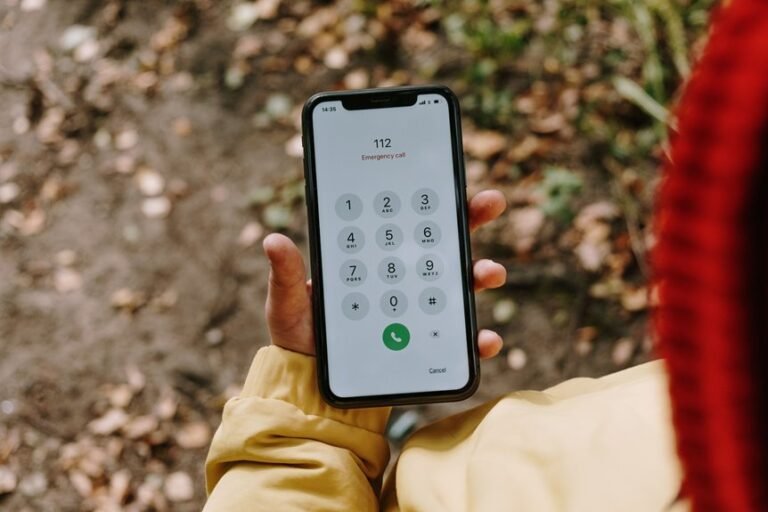
Common concerns related to 8132060455 center on data privacy, legitimacy, and scam risk. The discussion frames how organizations should structure information governance, minimize data exposure, and implement verifiable indicators that do not reveal confidential details. It also considers robust audits, clear suspicious-communication criteria, and targeted phishing awareness. The aim is transparent processes with measurable outcomes that protect autonomy. The next questions explore practical verification steps and how to balance caution with legitimate contact.
What 8132060455 Could Want From You
8132060455 presents a set of potential objectives that individuals or organizations may attribute to the caller, focusing on information gathering, service requests, or outreach goals.
The analysis identifies idea1 and idea2 as plausible drivers, emphasizing structured data collection and targeted assistance.
In objective terms, stakeholders seek transparent processes, proportional responses, and measurable outcomes, safeguarding autonomy while enabling appropriate engagement within policy guidelines.
How to Verify Legitimacy Without Sharing Data
To assess legitimacy without sharing data, organizations should rely on verifiable indicators that do not require disclosing confidential information. The approach emphasizes data minimization, independent audits, and documented provenance. By prioritizing standardized verification steps, entities can verify legitimacy while protecting privacy, enriching scam awareness, and maintaining transparency. This policy-focused method supports freedom by reducing unnecessary data exposure and risk.
Recognizing Red Flags and Scam Tactics
Recognizing red flags and scam tactics is essential for preemptive risk management and incident prevention. The analysis identifies indicators without sensationalizing concerns, maintaining policy orientation.
Recognizing redflags requires clear criteria for suspicious communication, unusual data requests, and inconsistent provenance.
Scrutiny of scam tactics emphasizes verifying legitimacy, minimizing unnecessary data sharing, and strengthening privacy protection, thereby enhancing response confidence and informed decision-making.
Practical Steps to Protect Your Privacy and Respond Confidently
Practical steps to protect privacy and respond confidently involve a structured approach to information governance, risk assessment, and incident response. The analysis outlines privacy safeguards, data minimization, and verification steps to reduce exposure. It emphasizes scam cues recognition, legitimate contact verification, and phishing awareness, enabling informed decisions. Clear policies support user autonomy while safeguarding essential freedoms and practical resilience.
Frequently Asked Questions
What Should I Do if I’M Contacted Unexpectedly by 8132060455?
If contacted unexpectedly by 8132060455, one should assess consent status and policy implications; what to do involves verifying legitimacy, recording timing, and avoiding sharing sensitive data; privacy implications and marketing use remain central considerations for this action.
Can Legitimate Businesses Use My Phone Number for Marketing?
Around 41% of consumers distrust unsolicited calls, highlighting a need for consent-based practices. Legitimate marketing may use numbers with opt-in authorization and clear privacy notices, yet consumer privacy remains paramount, balancing opportunity for outreach with protective regulatory safeguards for freedom.
How Can I Report Suspected Spoofing Involving This Number?
To report spoofing involving this number, one should submit evidence to the appropriate authority and report spoofing, verify callerID abuse patterns and sources. This analytical process emphasizes policy safety, accountability, and consumer rights in legitimate telecommunications governance.
Are There Legal Limits on Data Collection by Callers?
Yes, there are legal limits on data collection by callers, varying by jurisdiction, and privacy compliance standards define permissible scope, purpose, and retention. Analysts note that data collection limits constrain intrusive practices while preserving legitimate communication goals.
What Are My Rights if I’Ve Shared Data Unintentionally?
Unintended data exposure often affects 1 in 5 individuals; rights remedies exist for disclosure. If unintended data has been shared, individuals may seek corrections, deletion, or compensation, and report spoofing, while reviewing marketing legality and pursuing formal remedies.
Conclusion
The analysis concludes that 8132060455-related communications demand rigorous governance, unwavering verification, and disciplined data minimization. In an environment saturated with misleading requests, the framework emphasizes independent audits, verifiable indicators, and transparent processes to distinguish legitimate contact from fraud. By codifying red flags, standardizing verification steps, and promoting phishing awareness, organizations can safeguard autonomy while ensuring measurable outcomes. The result is a resilient, policy-driven approach that withstands deception with precise, auditable safeguards and minimal data exposure.