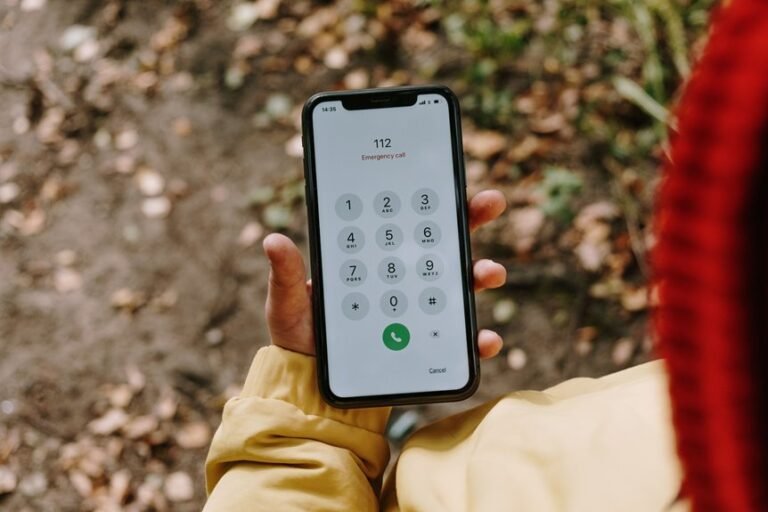
When something seems off about 888-584-7498, the approach begins with identifying the caller, verifying source and intent, and recording contact context. The method is cautious and evidence-based, noting red flags such as urgency or generic threats. It searches for common scam patterns and avoids accepting unsolicited offers at face value. Independent verification follows, cross-checking records and public registries. The process ends with documentation and a controlled escalation, leaving a careful path forward for verification and action.
Identify the Caller: Verify Source and Intent
To determine who called, the observer should first capture the caller’s identity and source of contact, then assess the context of the message. Caller verification proceeds with intent assessment, noting Red flags and scam patterns. Independent verification confirms legitimacy, guiding Response steps and escalation procedures while documenting evidence for freedom-focused analysis, avoiding assumptions and ensuring transparent accountability.
Check for Red Flags and Common Scam Patterns
What red flags and common scam patterns tend to appear in calls or messages, and how can they be recognized quickly? Detected inconsistencies, urgent demands, generic threats, unsolicited offers, and requests for personal data signal risk. Systematic evaluation isolates anomalies, cross-checks sources, and audits language cues. Identify scams, verify authenticity, and document provenance before proceeding, reducing exposure to deceptive persuasion and manipulation.
Confirm Legitimacy Through Independent Verification
Independent verification is essential to confirm legitimacy and avoid reliance on partial or misleading information. A detached assessment should verify caller identity, verify intent, and cross-reference independent records. Confirm legitimacy by consulting public registries, business databases, and corroborating sources. Rely on verifiable facts rather than impressions; objective evidence minimizes bias and error, supporting freedom and informed discernment.
Response Steps: What to Do Next and Escalate if Needed
If the initial assessment raises concerns, the next steps should be structured and verifiable: document all observations, compare them against verified records, and proceed with a controlled escalation path that preserves evidence and reduces risk. The process should verify caller details, assess legitimacy, and involve documented checkpoints, independent verification where possible, and clear criteria to determine further action.
Frequently Asked Questions
How Can I Verify a Caller’s Claimed Affiliation Independently?
The methodical observer notes: verify affiliations through independent records, cross-check with official directories, and request corroborating details. Use verification methods that resist social engineering; insist on multiple data points. Identity verification hinges on verifiable, non-reputational sources.
What Privacy Implications Arise From Sharing Personal Data?
An eagle-eyed analyst notes privacy risks persist when sharing personal data, including data exposure and withholding consent; encryption practices matter. The detached observer questions safeguards, assessing whether policy aligns with freedom-minded values and practical privacy protections.
What Exact Documents Should I Request for Verification?
The verification process requires official documents: government-issued ID, proof of address, and governing entity certificates; ensure data provenance is traceable, identity verification is current, and call tagging is accurate, with meticulous scrutiny and freedom-minded skepticism.
Are There Regional Call-Patterns Indicating Spoofing or Masking?
Echoes of anomalies cloud the dial as a methodical reviewer notes regional patterns; spoofing indicators, caller profiling, masking signals are scrutinized to determine legitimacy, with skepticism tempered by freedom-minded rigor in assessing 888-584-7498 calls.
How Long Should I Monitor a Suspicious Number Before Escalation?
Monitoring duration should extend until clear escalation criteria are met, typically after 7–14 days of consistent indicators; verify caller identity, document requests, analyze regional patterns, and spoofing indicators before escalation.
Conclusion
In the tale, the caller is a moving shadow at the doorstep of trust. The investigator, with steady lantern and numbered maps, traces intent, flags urgency, and cross-checks every banner against known shores. Allegory guides the clockwork of doubt: receipts, registries, and records become compass points. When the currents don’t align, the harbor is avoided, notes are sealed, and escalation awaits. In methodical silence, suspicion matures into confirmation or safe refusal, preserving the gate from deception.