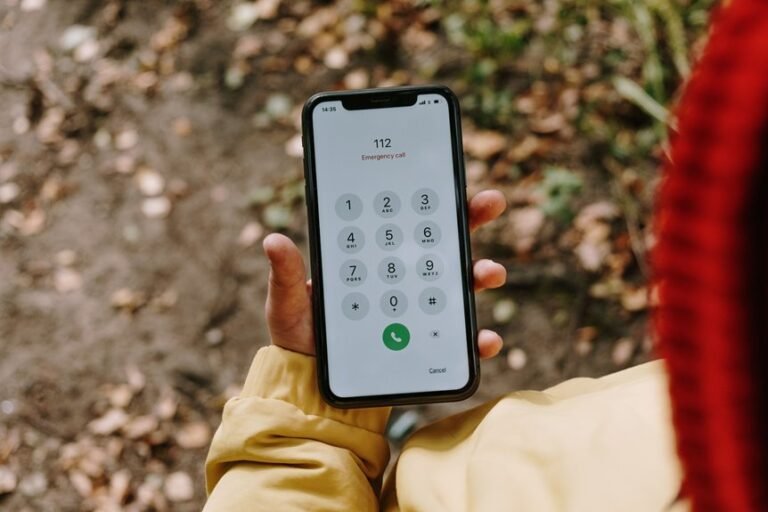
When unexpected errors surface related to 833-793-2634, this guidance urges a disciplined, data-driven response. The point is to verify caller identity, compare patterns with legitimate contacts, and document anomalies with objective details. A structured triage should minimize data exposure, pause to confirm credentials, and encrypt where possible. If scam indicators or persistent service issues appear, escalate promptly. The next steps depend on careful observation and timely action, leaving the path forward clear for careful evaluation.
What 833-793-2634 Might Be Showing You
The message from this number often signals an unexpected issue that warrants careful attention, rather than casual dismissal.
In the context of 833-793-2634, the signal suggests potential privacy breach indicators and the need for disciplined scrutiny.
The focus remains on caller verification, data integrity, and legitimate contact patterns, ensuring a measured response while preserving individual autonomy and security.
Quick Diagnostic Steps to Diagnose the Error
Quick Diagnostic Steps to Diagnose the Error: When an unexpected issue arises linked to the 833-793-2634 signal, a structured triage approach ensures a rapid, accurate assessment. Diagnostic pitfalls are identified through objective data and consistent criteria, while caller cues guide prioritization. The method remains clear, precise, and controlled, avoiding ambiguity and extraneous detail to preserve freedom and effective resolution.
How to Protect Personal Info During a Call Glitch
During a call glitch, safeguarding personal information requires immediate, methodical action: pause, verify identity, and minimize data exposure. The approach emphasizes structured checks, limited disclosure, and recording of anomalies for later review. Awareness of privacy pitfalls helps sustain control over data flow.
Emphasize call encryption where available, and avoid sharing sensitive details beyond necessity to reduce risk.
When to Escalate: Scams, Service Issues, and Next Best Actions
Escalation is warranted when patterns indicate scams, persistent service issues, or actions beyond the agent’s control compromise a caller’s safety or data.
The guidance clarifies criteria for escalation: identify scam alerts early, document anomalies, and initiate next-best actions with supervision.
This approach protects autonomy while ensuring accountability, reducing risk, and maintaining trust amid ongoing service issues.
Frequently Asked Questions
Can I Still Receive Voicemails During a Glitch?
Voicemail availability may be limited during a glitch, but in many cases messages are stored and delivered later. The device impact varies; some phones pause functions while others continue normal operations, preserving and syncing pending voicemail once stability returns.
Does This Error Affect Multiple Devices or Just One?
Like wind moving sails, the issue affects multiple devices, not just one. The error scope appears broad, with device compatibility varying by platform; independent reports suggest some users experience wider impact while others see localized effects.
Can I Bypass the Issue With a Different Number?
Yes, alternative numbers can be tried, but bypass attempts may not resolve the underlying error and could create security or reliability risks. A structured approach is recommended: assess impact, verify legitimacy, and document any changes before proceeding.
Will My Data Be Retrievable After a Disruption?
Data integrity may be preserved, though recovery depends on underlying systems; service continuity hinges on redundancy and protocols. The scenario suggests retrievability is possible if safeguards function, but outcomes vary with failure scope and restore procedures.
How Long Does It Typically Take to Resolve the Problem?
Answer times vary; resolution typically occurs within hours to a few days, depending on complexity. The report notes unrelated topic and random detours may influence prioritization, yet teams pursue systematic steps. Progress is tracked with clear, structured updates.
Conclusion
In a measured final note, the situation unfolds like a cautious tide: numbers recede and return, each ripple a cue to verify identity and cross-check patterns. Clarity anchors judgment, precision trims exposure, and structured steps guide the voyage from confusion to containment. If anomalies persist, escalation becomes the lighthouse, steering through fog toward safer ground. When unexpected errors surface, prudent vigilance transforms risk into resolved, orderly insight.