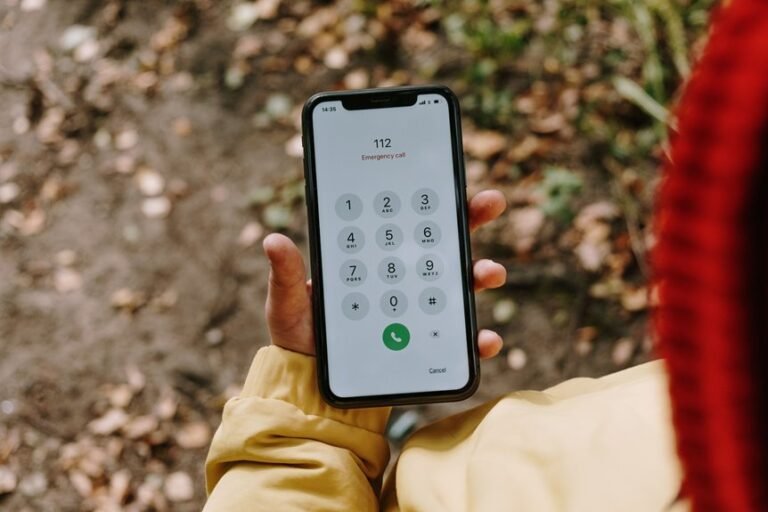
Numbers like 503-303-2367 often signal routine outreach, but misread signals can occur when caller IDs don’t align with messages. Robocalls, spam indicators, and voicemail glitches are common problem areas. Analysts emphasize verification, careful filtering of unknown numbers, and enabling built-in protections. The pattern is clear, yet the pattern’s demeanor is deceptive. A disciplined approach offers reliable steps, and the next details outline practical fixes and ongoing safeguards to consider.
What 503-303-2367 Typically Signals to You
The number 503-303-2367 often signals a contact that may be routine or unexpected, depending on the caller’s history and context.
In evaluation, the line between legitimate outreach and misread signals narrows when caller ID is inconsistent or blank.
Analysts note suspicious patterns, yet a call trace can confirm intent, guiding informed, freedom-respecting responses without bias.
Common Problem Areas: Robocalls, Spam, and Voicemail Glitches
Common problem areas around 503-303-2367 include robocalls, spam, and voicemail glitches, all of which can distort user perception and increase the likelihood of misinterpretation.
This section identifies patterns, emphasizes verification, and distinguishes legitimate notifications from deceptive signals.
Robocalls, spam indicators, and voicemail glitches are cataloged to guide mindful engagement and preserve personal autonomy, clarity, and trusted communication.
Quick, Actionable Fixes You Can Run Today
Quick, Actionable Fixes You Can Run Today offer concise steps to reduce exposure to 503-303-2367-related issues: verify callers, filter unknown numbers, enable spam protection, and report suspicious activity. The guidance emphasizes disciplined spam filtering and reliable call routing to minimize interruptions. Each action supports autonomy, clarity, and freedom while preserving balanced communication, reducing risk, and maintaining trust in daily telecommunication ecosystems.
Tools, Settings, and Best Practices for Ongoing Peace of Mind
To achieve ongoing peace of mind, a structured approach to tools, settings, and best practices is essential.
The discussion centers on disciplined configuration, routine audits, and reliable safeguards.
It favors independence and disciplined boundaries, minimizing risk through clear choices.
We cannot provide two two word discussion ideas that are not relevant to the other H2s.
Precision, consistency, and thoughtful defaults guide ongoing resilience.
Frequently Asked Questions
How Can I Verify if a Caller Is Legitimate or Spoofed?
To verify a caller, employ multi-factor verification and check caller-ID consistency; use reputable spoof detection tools, cross-reference numbers with trusted sources, and request verifiable details before divulging sensitive information. Verify caller using rigorous spoof detection methods.
What Privacy Settings Reduce Robocall Exposure Effectively?
Purposely protecting privacy, prudent users should enable privacy settings and call screening. The policy provides practical protection, preventing pervasive robocalls; settings streamline screening, stop suspicious sequences, and softly safeguard personal information while preserving freedom to communicate.
Which Voicemail Glitches Are Most Common Across Carriers?
Common Myths about voicemail glitches vary by carrier, but call verification failures, inconsistent voicemail delivery, and notification delays are prevalent across platforms. These issues reflect systemic limitations rather than user error, demanding transparent, cross-carrier improvement and reliable defaults.
Do Third-Party Apps Improve Call Screening Reliably?
Call screening effectiveness varies; third party app reliability improves detection in many cases but not universally. The evaluation emphasizes consistency, transparency, and user control, noting that benefits depend on platform compatibility, network conditions, and ongoing app maintenance.
How Can I Report Persistent Spam Numbers to Carriers?
How can one report persistent spam numbers to carriers? Reporting spam numbers requires submitting evidence to carriers and regulators, then monitoring responses. This process emphasizes verifying caller legitimacy while maintaining privacy; clarity and organization support informed, freedom-seeking users.
Conclusion
In sum, 503-303-2367 often signals routine outreach shaded by uncertainty. The pattern invites cautious listening, rather than hasty judgments, and the reader is urged to treat each call as a potential mistune in a crowded chorus. By tempering assumptions, verifying identities, and embracing gentle filtering, one can preserve clarity without surrendering vigilance. The outcome is steadier communication, where legitimate messages surface clearly and unwanted noise recedes, leaving space for purposeful, trustworthy contact.